It was hot again this summer. It rained a lot, as well. Natural disasters occurred on a scale that we couldn’t have predicted in the past. Year by year, I feel like climate change is accelerating.
Heading into mid-September, Tokyo experienced an unusually high number of rainy days. It seemed like the sky was overcast every day.
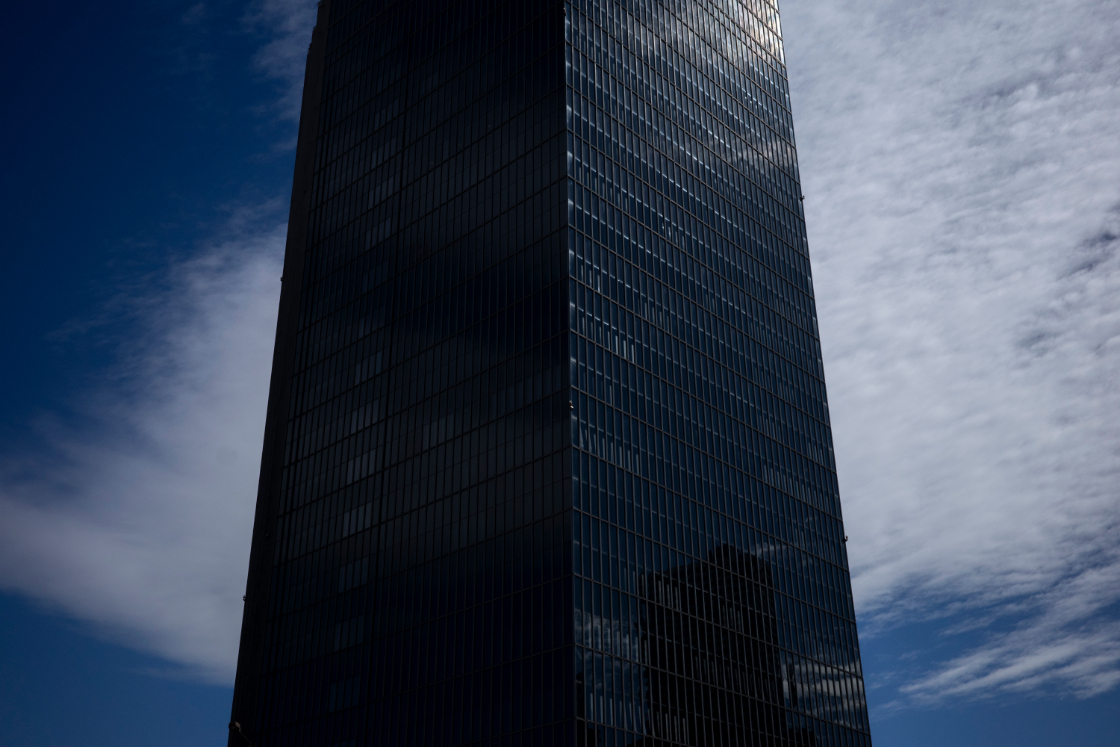
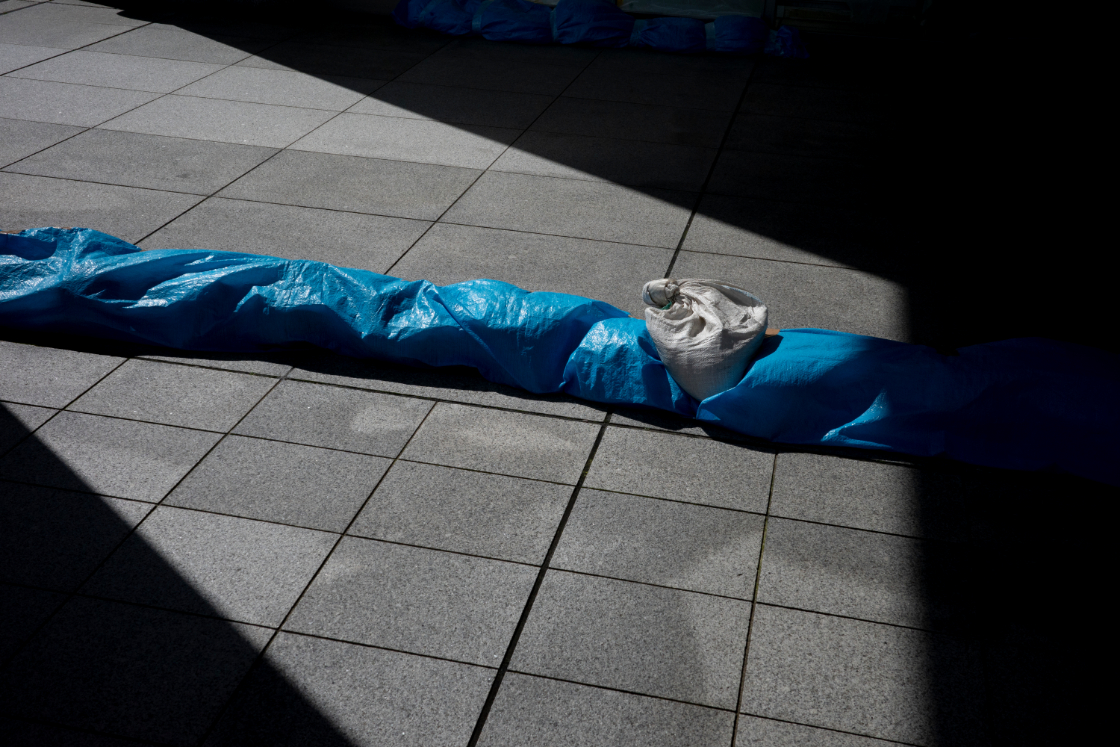
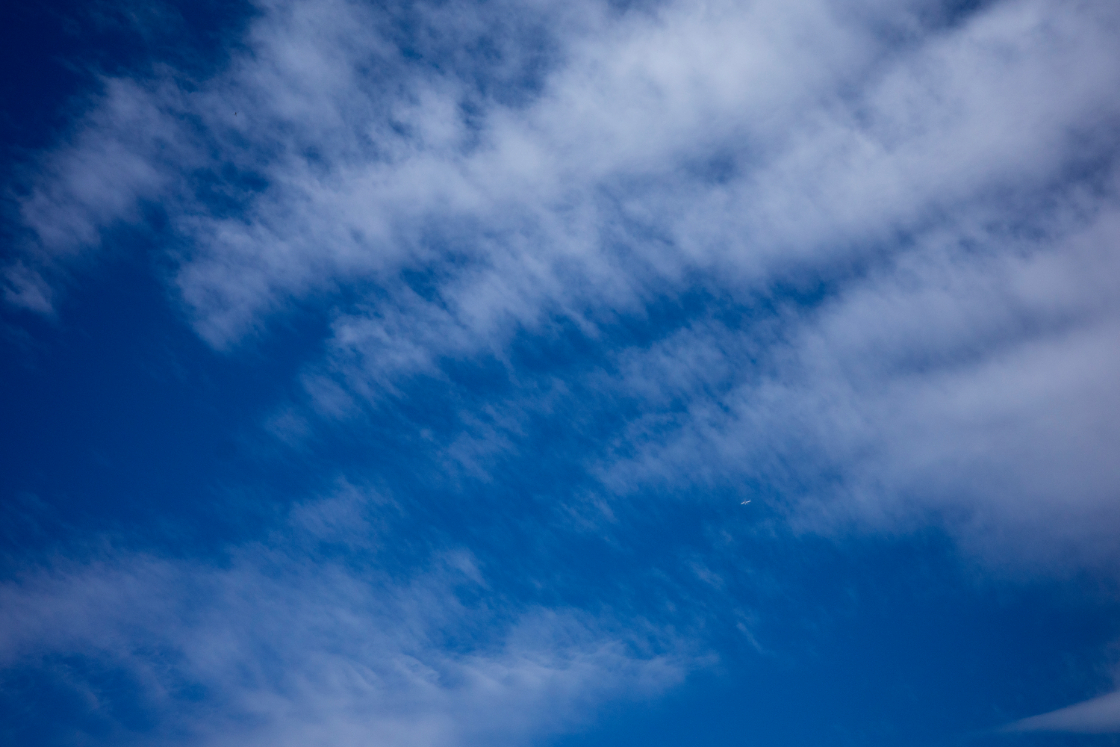
The morning after a typhoon moved away from the Kanto region, I grabbed my camera and went outside for the first time in a while. Yesterday, I did nothing but stay in my room and watch weather forecasts reporting the typhoon's path. It reminded me of a movie from back in the day called “Typhoon Club.”
The news yesterday reported that the Zenpukuji River was on the verge of overflowing. It’s a river that has flooded many times in the past. Downstream, near Yayoicho in Nakano Ward, the Zenpukuji River joins the Kanda River. If the Zenpukuji River was close to flooding, wouldn’t the water volume downstream be even higher? Would the Kanda River really be okay? I had these concerns, yet the news didn’t report anything about the Kanda River being in danger.
Near the downstream section of the Kanda River is the photography school I used to attend. Back then, the Kanda River flooded quite often. Even without a typhoon, heavy rainfall would quickly submerge the area in front of the school and create a huge pond.
“Tokyo is amazing.”
That was my impression. In my hometown of Nagano Prefecture, where I was born and raised, there were almost no flat places. In fact, the schoolyard was the only flat area; everywhere else was a slope. Water never accumulated there. The rivers were just mountain streams. While mountains or cliffs might sometimes collapse, I had never seen the water overflow.
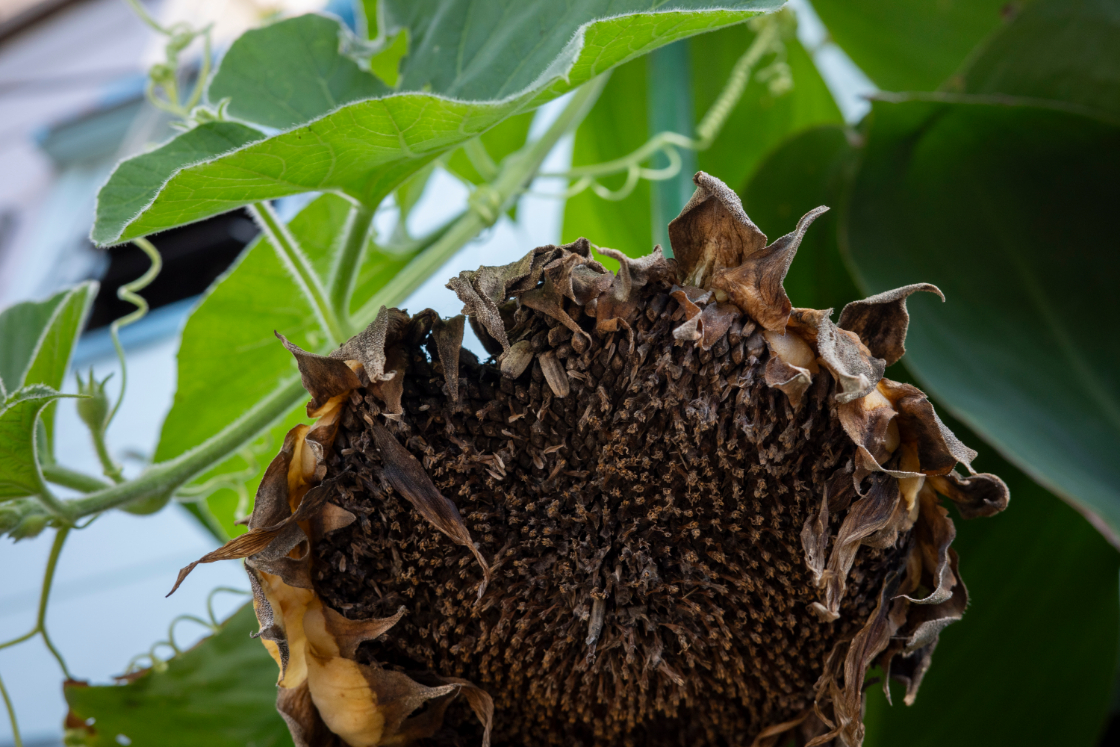
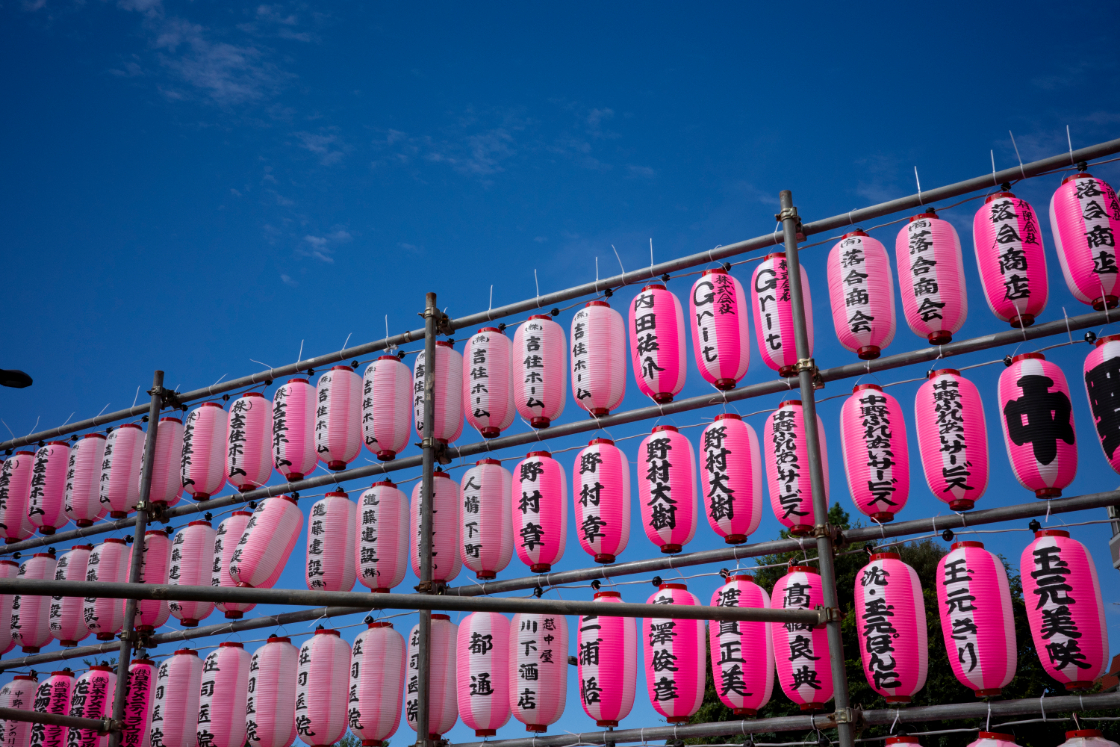
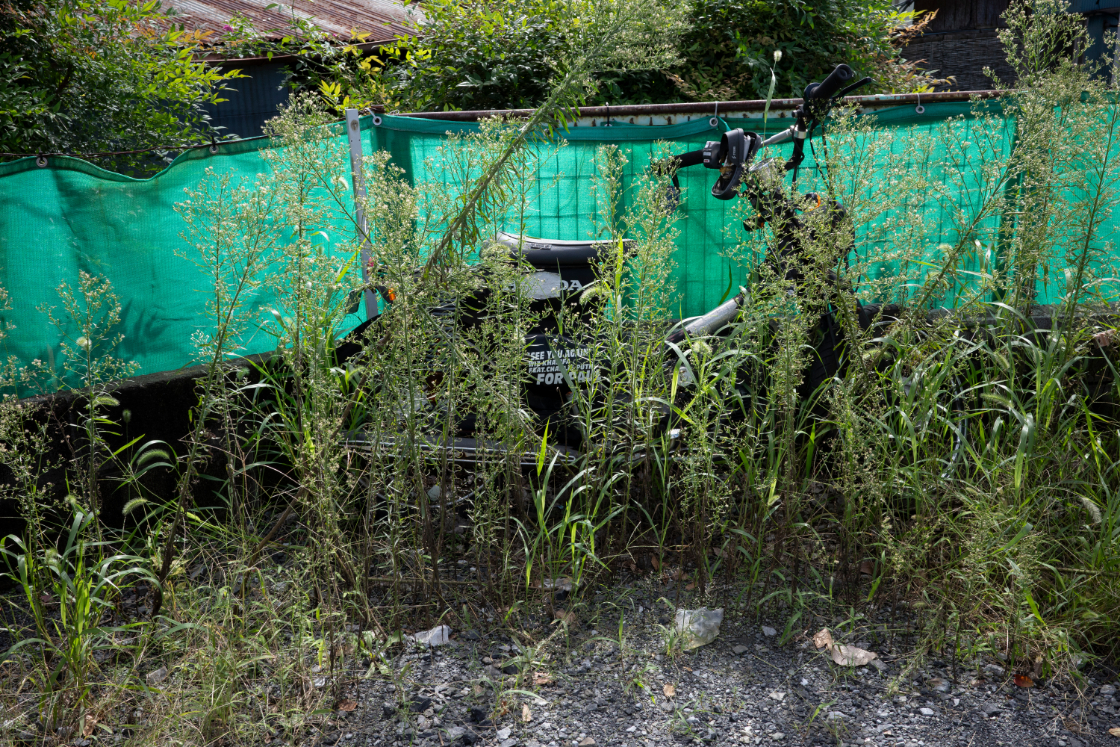
I remember going to school and finding that several of my classmates were absent. The day before, a typhoon had hit Tokyo. The teacher said, “The Kanda River flooded and stopped those guys.” I thought it was a joke. But it was true; the students who lived in lodgings on the opposite bank of the river were absent. It was before the era of cell phones. I went down to the river. The water was muddy, the opposite shore seemed far away, and the current was strong.
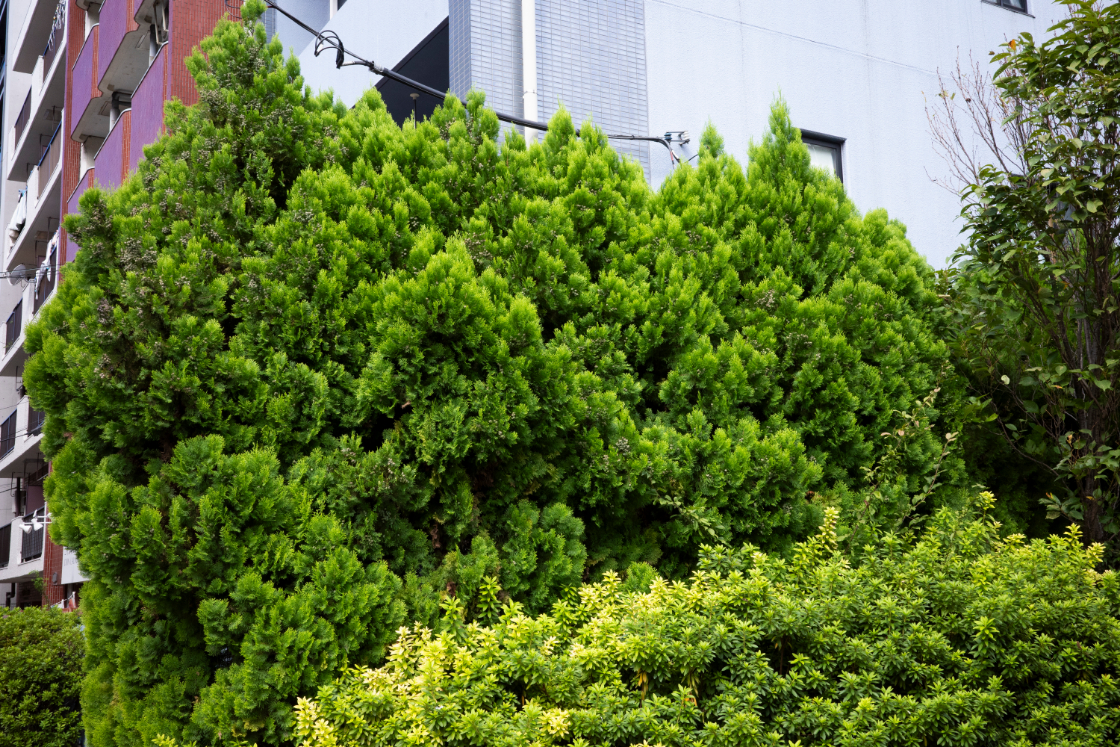
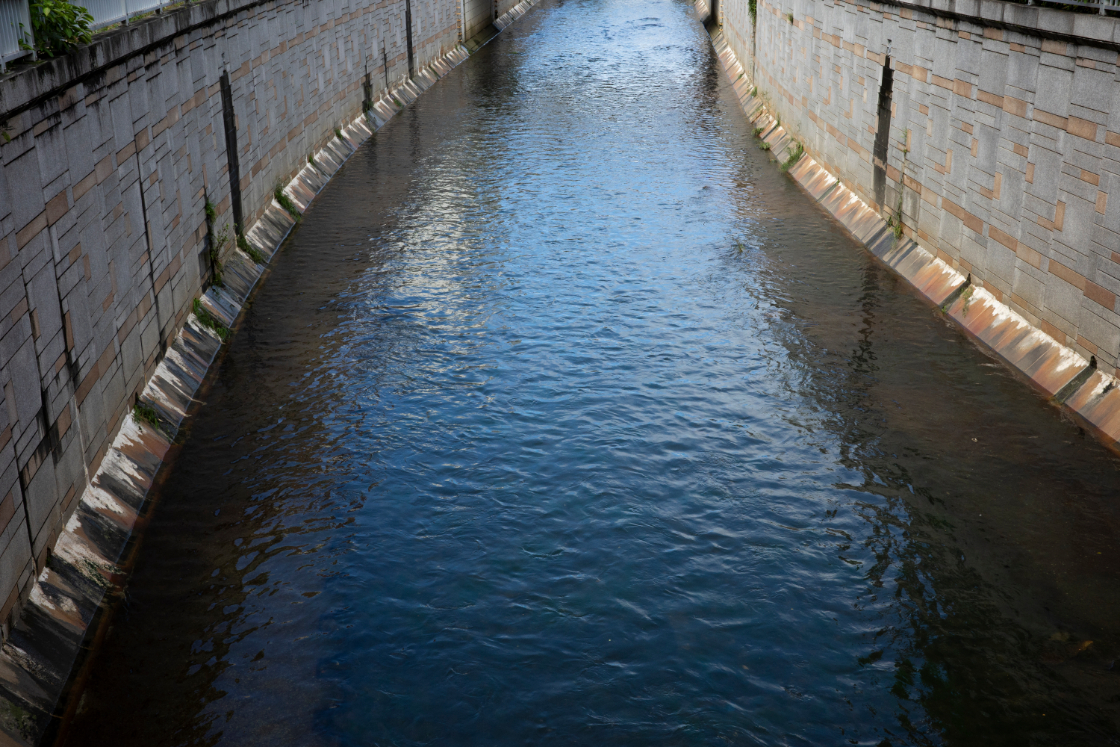
Forty years have passed since then. I stood at the foot of that same bridge. How much had the water level risen? I timidly peered down at the riverbed. The water level was higher than usual, but it wasn’t as high as I expected (likely due to flood control measures, such as reservoir regulation). I was also surprised that the water wasn't muddy. In fact, it was tinged with blue, reflecting the blue sky. The sky was no longer summery, which made me feel the arrival of autumn. I saw a plane take off from Haneda and head west. I wondered how far it would fly.
Kisei Kobayashi
Born in Nagano Prefecture in 1968. Graduated from the Photography Technology Department of Tokyo Polytechnic University Junior College. Worked as a newspaper photographer before becoming freelance. Travels extensively throughout Asia to create his work. In recent years, he has been photographing festivals within Japan and his hometown Suwa. He is the author of numerous books, including “Primitive Cries in the Night”, “Deep Silence” and “shasin wa wakaranai (Photography Is Incomprehensible)”. His latest book is “shashin no kotae (The Answer in Photography)” (December 2025). He received the Japan Photographic Society Newcomer Award for the photobook “DAYS ASIA”, the Tadahiko Hayashi Award for the exhibition “The Boats from Far Away” and the Ina Nobuo Award for the exhibition “Cyber Modernity”. His debut film as director was “Toi and Masato”.