


Hello, everyone. This is Okubo, a product planner and developer.
I first learned about the photographic technique known as “solarization” while studying the history of photography.
It’s a photographic technique employed in the works of artists like Man Ray (link to MoMA) where parts of the light and dark areas are inverted, and unique outlines appear along the boundaries, creating a world that's different from reality—somewhat surreal.
My first impression was, “That's a strange style.” It doesn’t depict majestic landscapes with meticulous tonal gradations like Ansel Adams’s work. Nor is it like Daido Moriyama’s photography, which captures the texture of the city through rough grain and strong contrast. However, the more I looked at these works, the more I came to feel that things become visible precisely because of its strangeness—a world that doesn't appear when reality is simply captured as it is.
The GR IV Monochrome is more than just a GR with the color information removed. It’s a camera designed to let you more deeply experience the various forms of expression that emerge when you focus solely on monochrome.
We usually see the world in color. When we convert that world to monochrome, our awareness shifts from color to light and shadow, shape, and texture. One fascinating aspect of monochrome photography is that even though it depicts real-world scenes, the images can appear somewhat abstract. Solarization takes this concept further by transforming the scene before our eyes into an image that is distinct from reality.
We believe that by incorporating expressive techniques from the history of photography into contemporary snapshots with the latest digital cameras, we can create monochrome photographs unlike anything seen before.
Based on this idea, we have added the new “Solarized Effect” Image Control to the GR IV Monochrome.
Solarization is said to have originated in the darkroom development process. Exposing the photosensitive material to light during development inverts parts of the image, creating a unique effect around the boundaries between light and dark. Because the final result is unpredictable, experience is required to achieve the desired effect.
With the “Solarized Effect” Image Control on the GR IV Monochrome, you can achieve this look directly in the camera. Rather than developing the image in a darkroom after shooting, you can now adjust the effect using exposure compensation while viewing the rear monitor and capture the shot on the spot.
This isn’t just a digital recreation of an old technique. I used to think of solarization as a technique reserved for carefully crafted portraits or darkroom work. However, it has now become a technique that can be used for everyday snapshots while checking the effect on the rear monitor in real time.
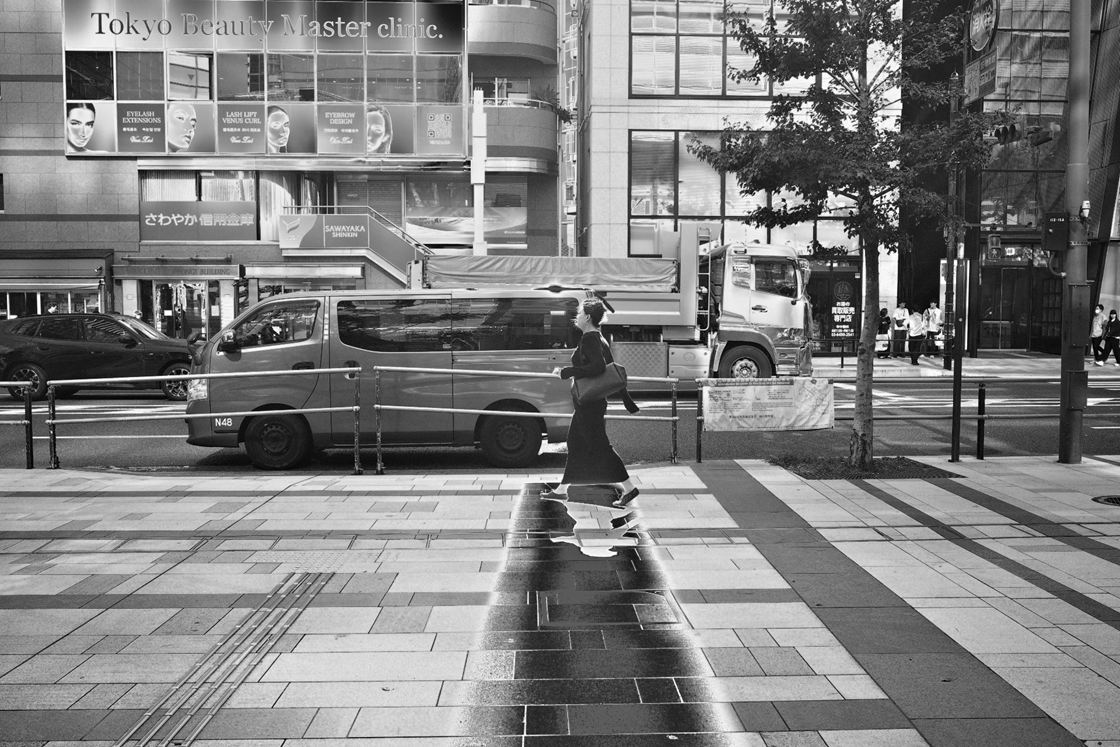
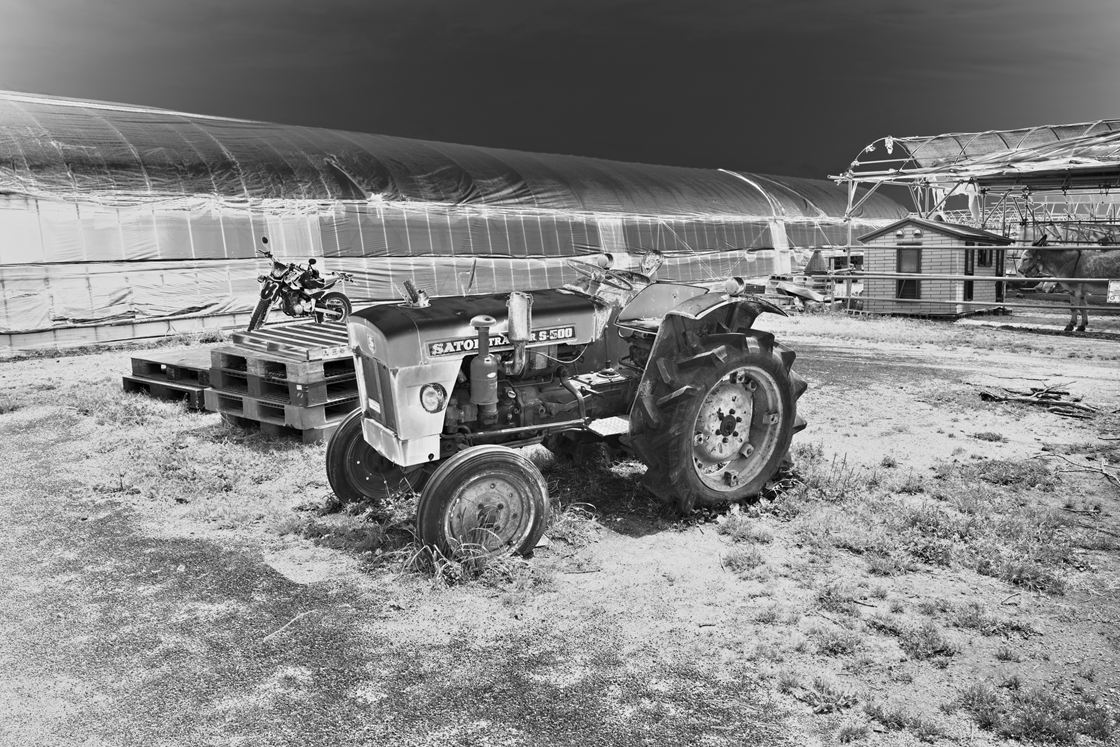
The new “Solarized Effect” Image Control offers a different shooting experience than other Image Controls.
Since part of the tone curve is inverted, adjusting the exposure compensation toward the positive side may darken certain areas, and adjusting it toward the negative side may brighten them. Since this change appears to be the opposite of what you’d expect from standard exposure compensation, it might be confusing at first. I found it to be a refreshing change.
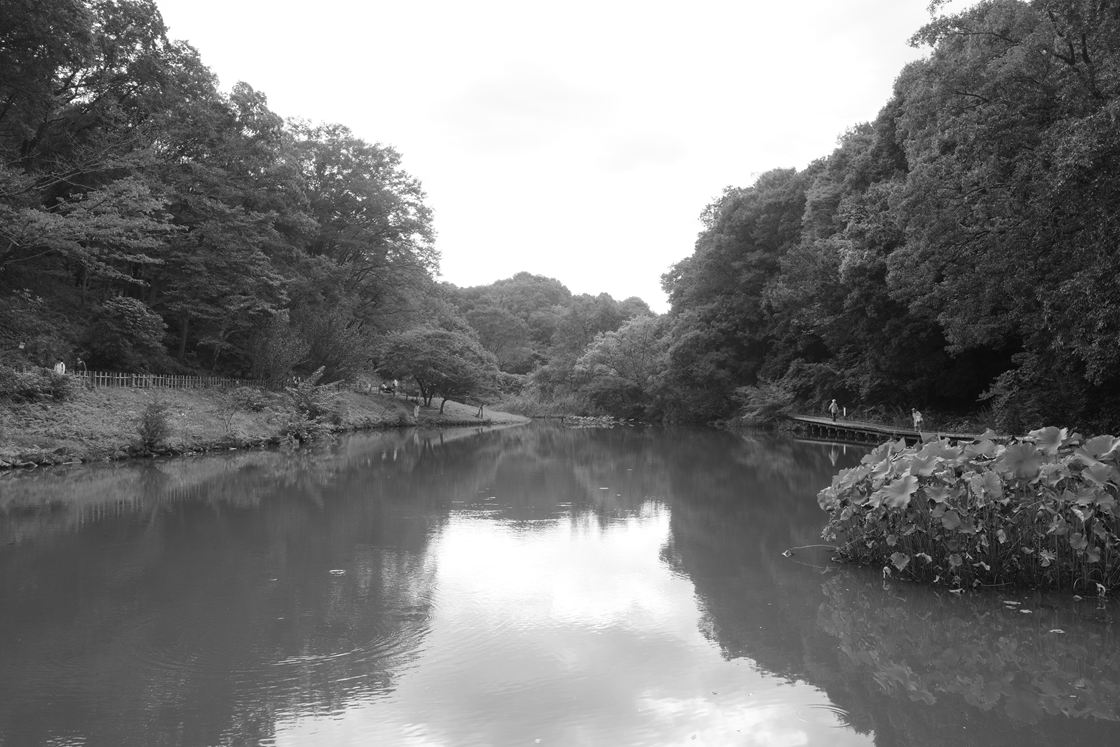
To demonstrate the effect of exposure compensation, I shot a video of this scene using the “Solarized Effect.”
The exposure compensation is adjusted in the following order in the video: ±0, +2.0, ±0, and -2.0. At ±0, areas of medium brightness are inverted, creating an image that looks like a mixture of negative and positive images.
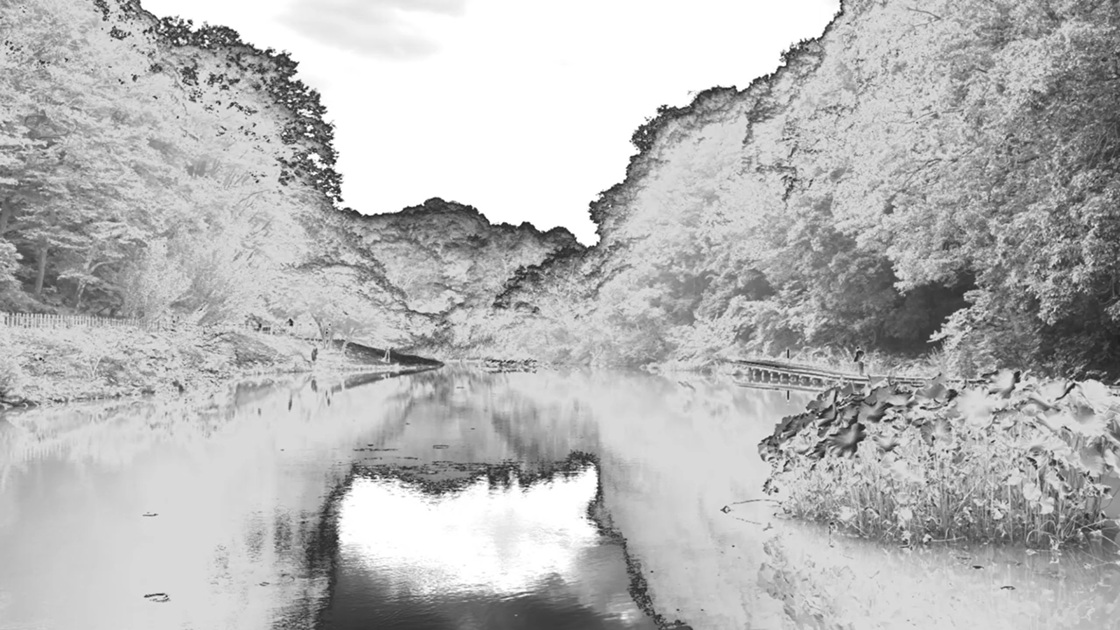
When the exposure is compensated toward the positive side, the forest in the center becomes darker, making the image appear closer to what the eye sees.
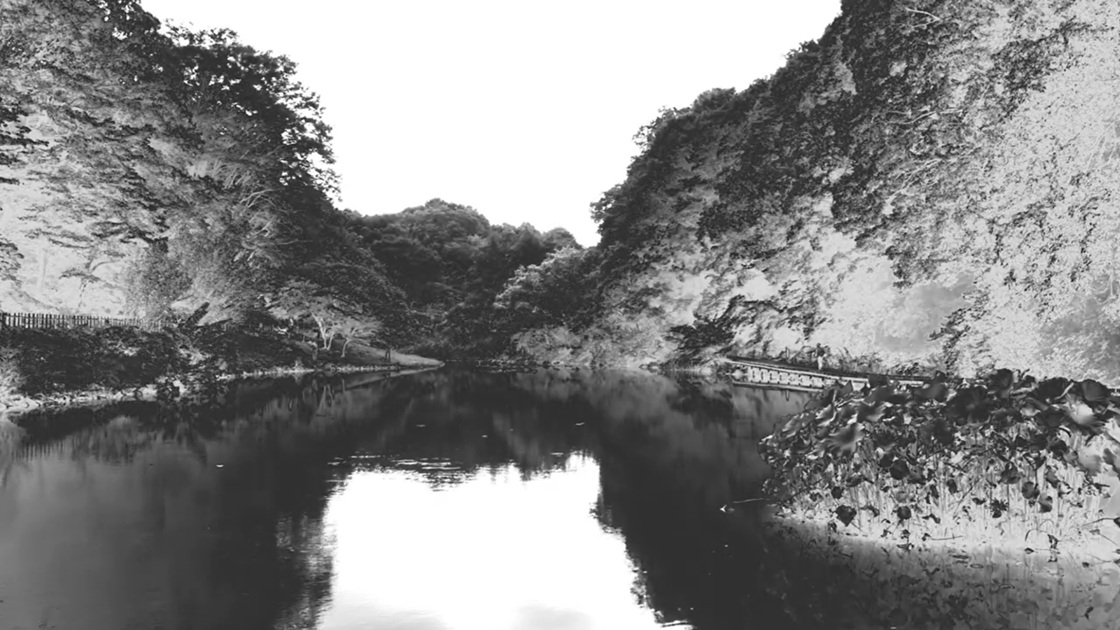
On the other hand, adjusting the exposure toward the negative side makes the forest appear brighter. This creates an effect similar to an infrared photograph. A black line characteristic of solarization also appears at the boundary between the forest and the sky.
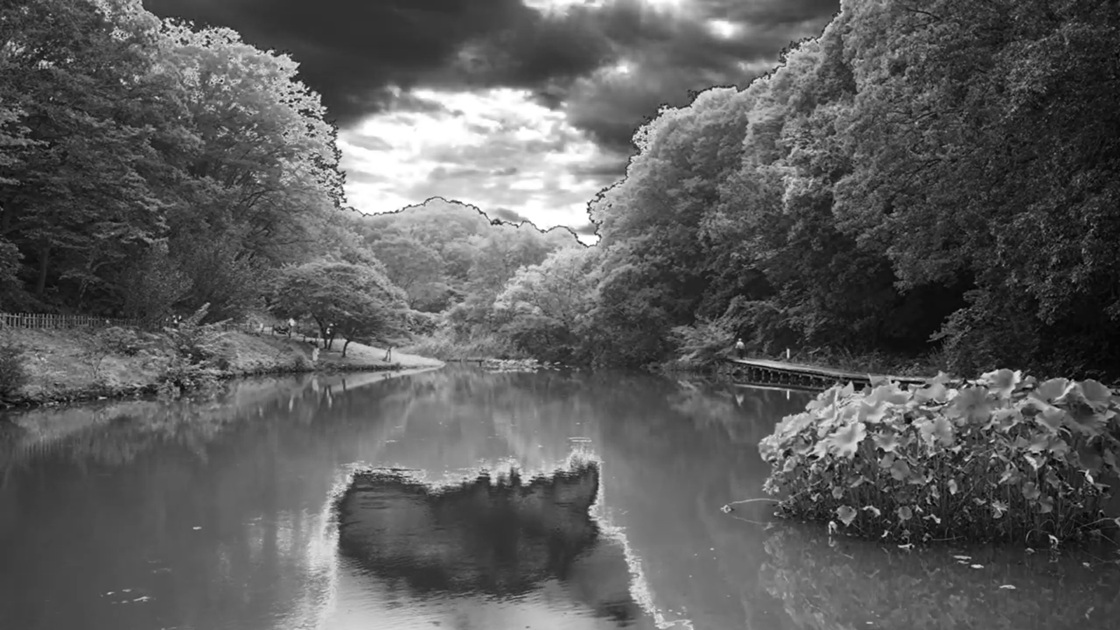
As you can see, the image can change drastically depending on the exposure compensation, even at the same location. When shooting, try adjusting the exposure compensation in both directions to find your preferred look.
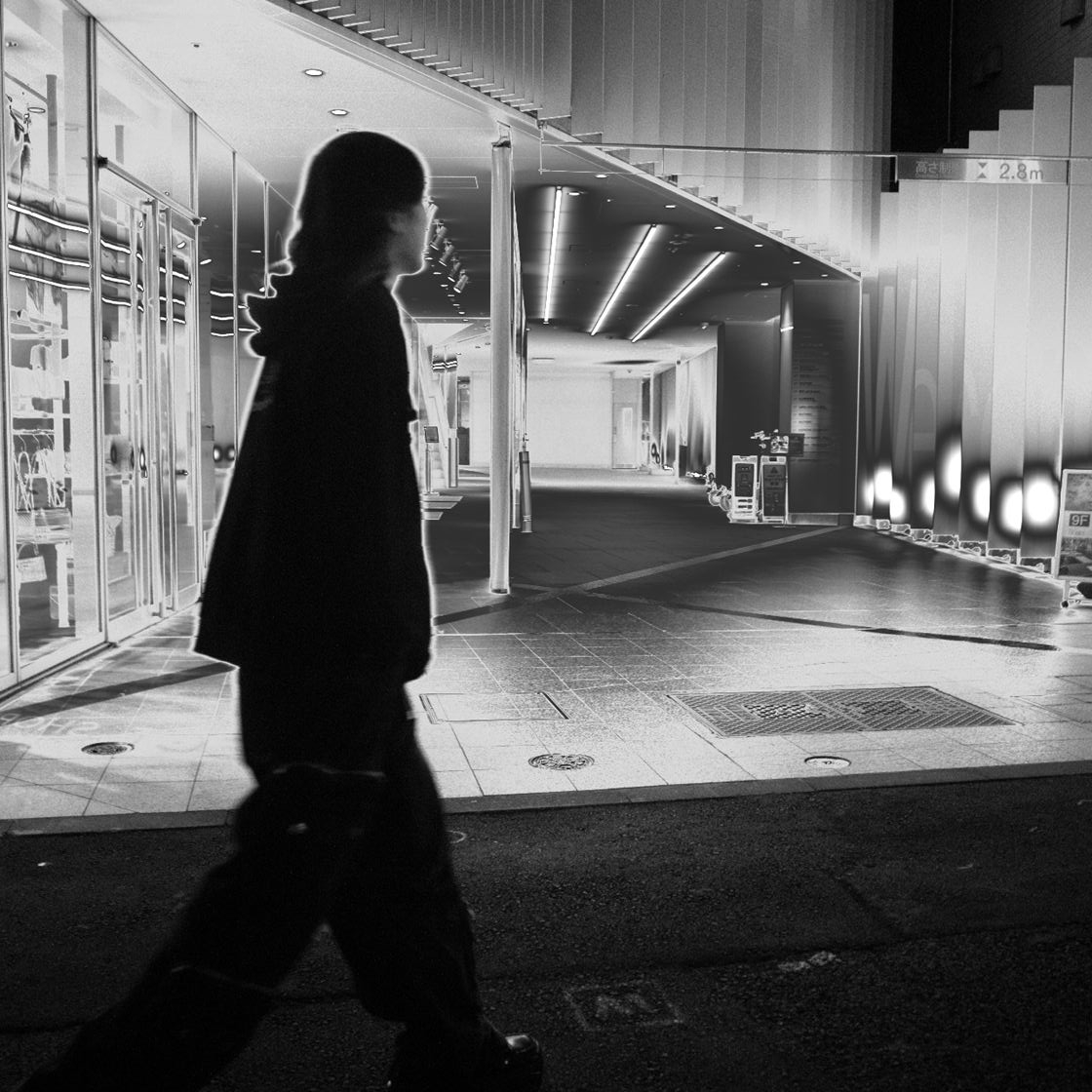
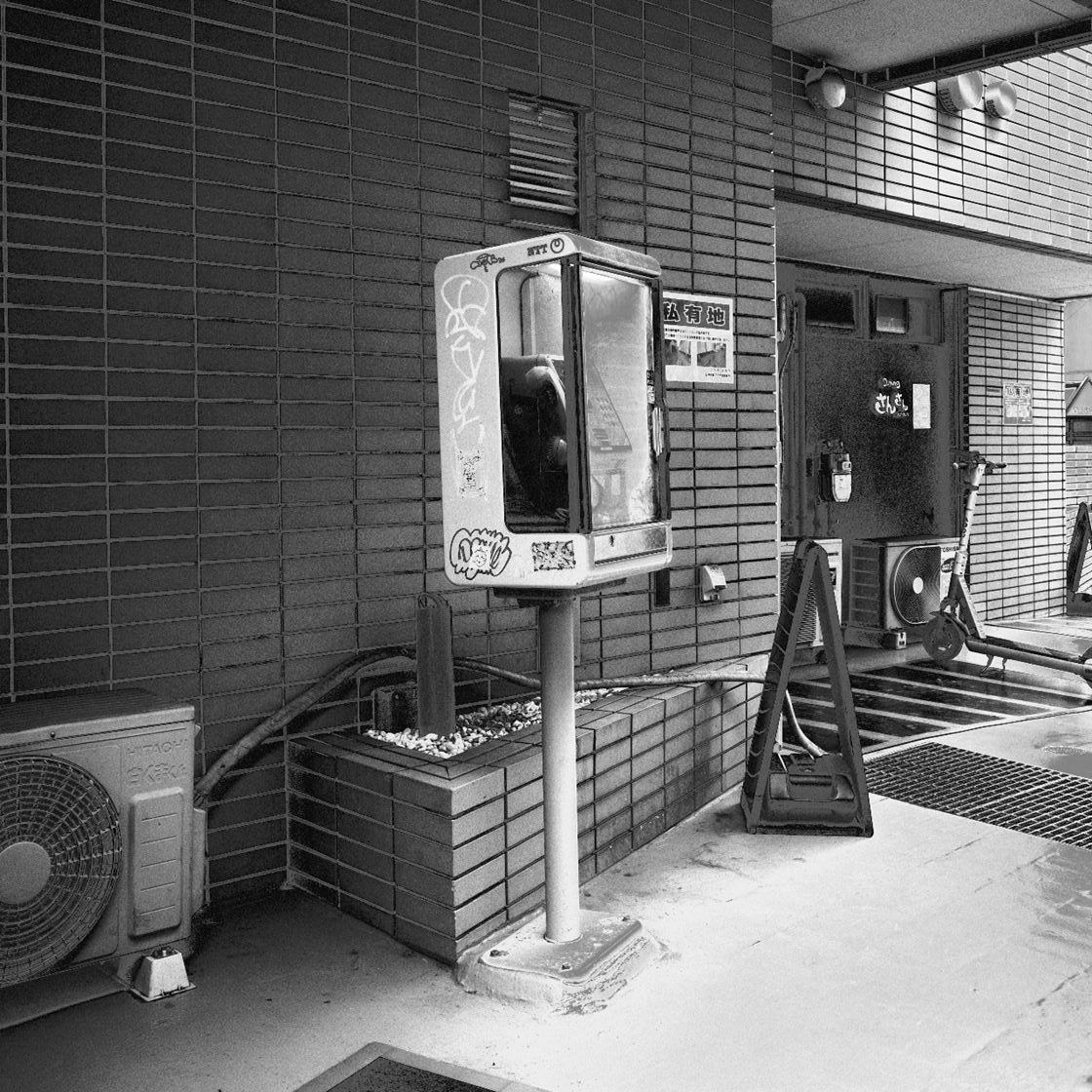
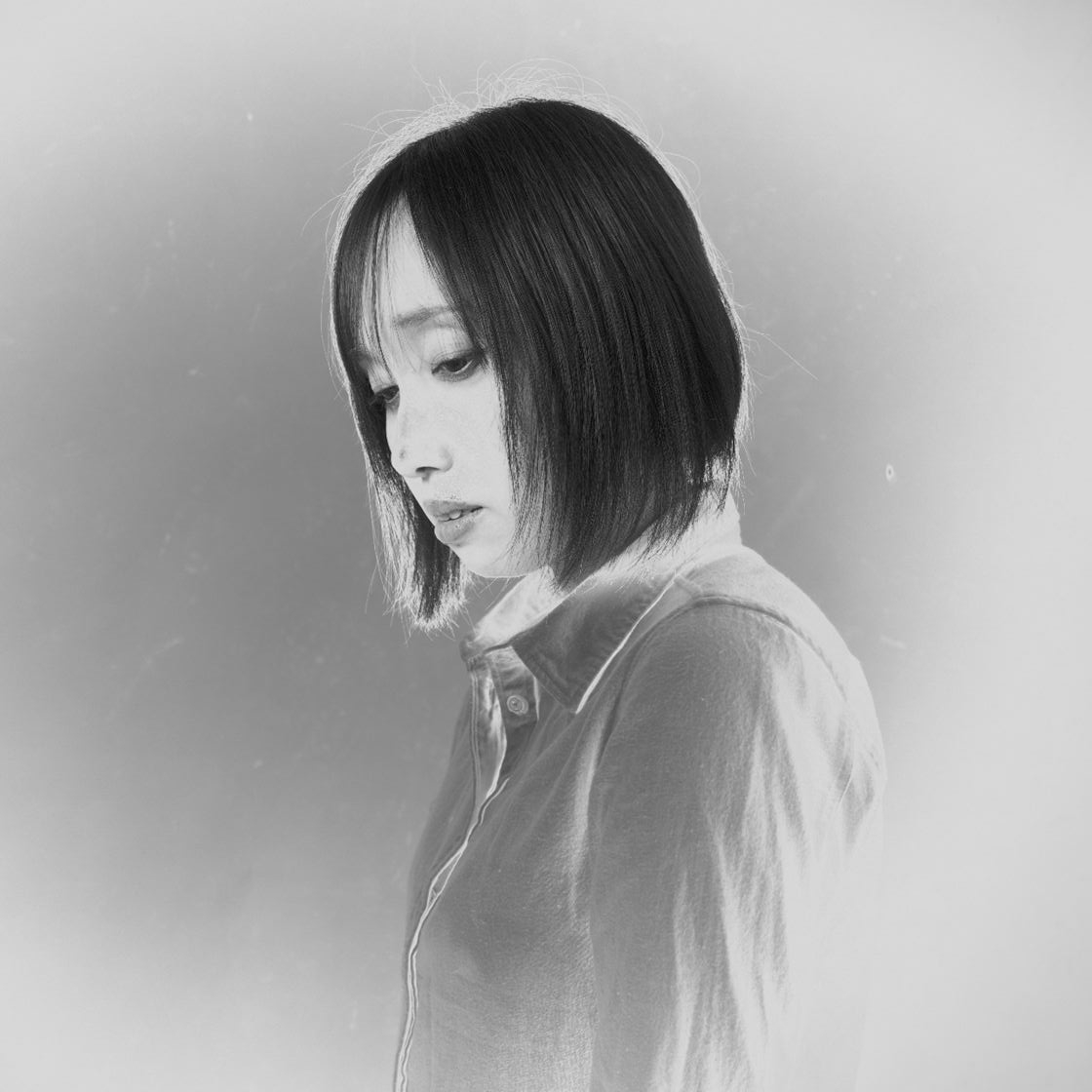
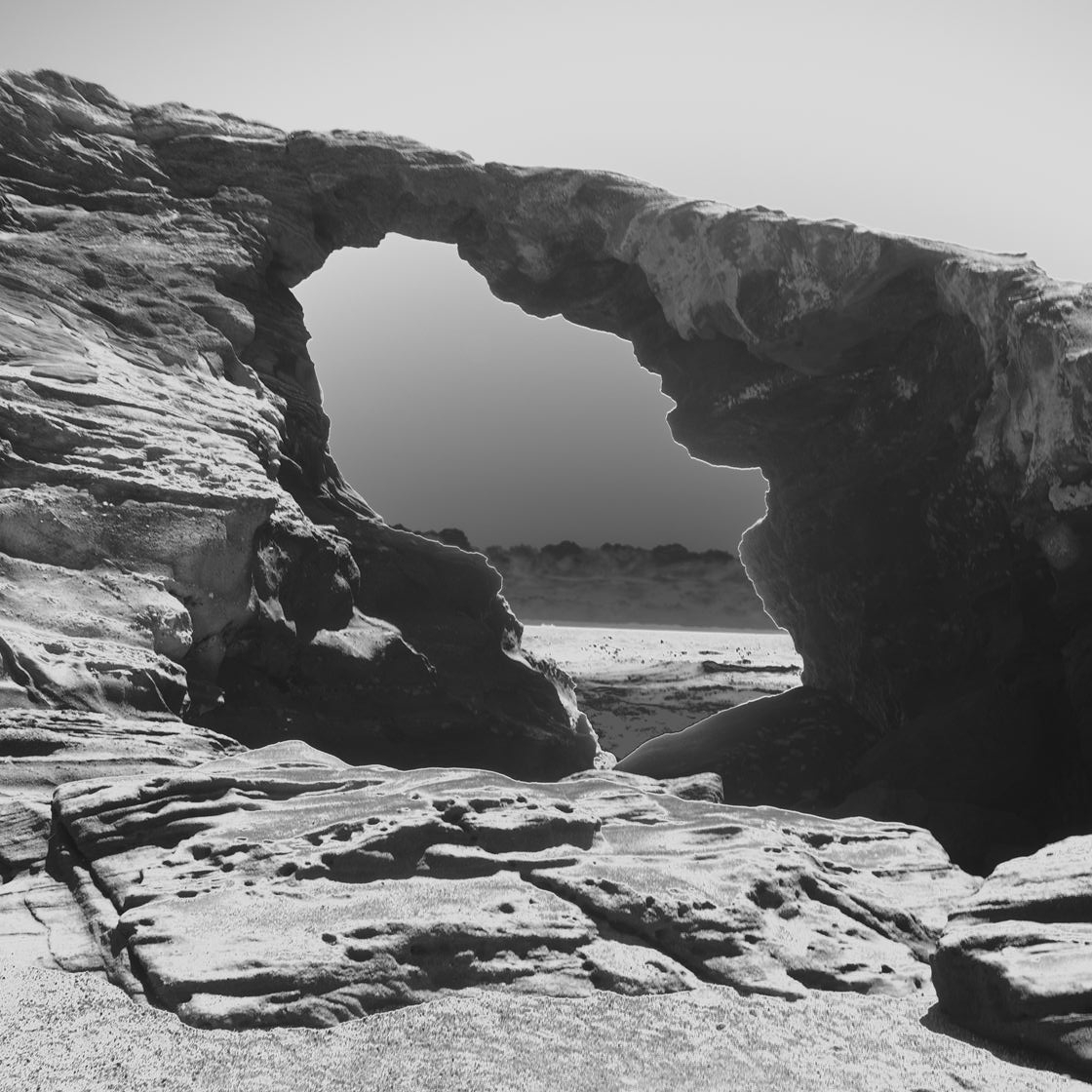
As I walked around the city, pointing my camera at different subjects, I noticed that the things that caught my eye were different— the outlines of buildings silhouetted against the backlight, the boundary between the sky and the clouds, reflections on glass, and strong light streaming into dark spaces. I began to focus more on the boundaries between light and shadow than on the subjects themselves.
It can transform familiar landscapes into unfamiliar scenes. Sometimes the effect appears exactly as intended, while at other times, unexpected areas are inverted. I think this unpredictability is part of the appeal of the “Solarized Effect.”
We have created three tone curves with different effects for the “Solarized Effect." Click here to learn more about how each one works. (Link)
Solarization is by no means a novel photographic technique. However, I believe that bringing this technique, which was once used in darkrooms, out onto the streets with a pocket-sized GR opens up entirely new possibilities. As you walk down the street, you will search for unusual light and discover images you’ve never seen before.
My initial impression when I first learned about solarization—“That's a strange style”—hasn’t changed much, even now. But it’s precisely because of its strangeness that it allows us to see things differently. Sometimes, we discover things we wouldn’t have found if we had simply captured reality as it is.
I hope you'll try the GR IV Monochrome’s “Solarized Effect” in your neighborhood. You might discover a different world.
★Special Thanks:Model Minori Sakamoto
(Okubo)


