Just before the Lunar New Year, I headed to Taipei, Taiwan.
It was undoubtedly warmer there than in Tokyo at that time of year, but it was difficult to gauge exactly how much warmer. I received an email from a Taiwanese friend living in Taipei that simply said, “It's really cold.”
When I visited Tainan around the same time last year, I definitely made a mistake with my choice of clothing. I thought I could get by in a T-shirt, but it was surprisingly cold, and the locals were wearing light down jackets. I ended up having to endure the cold.
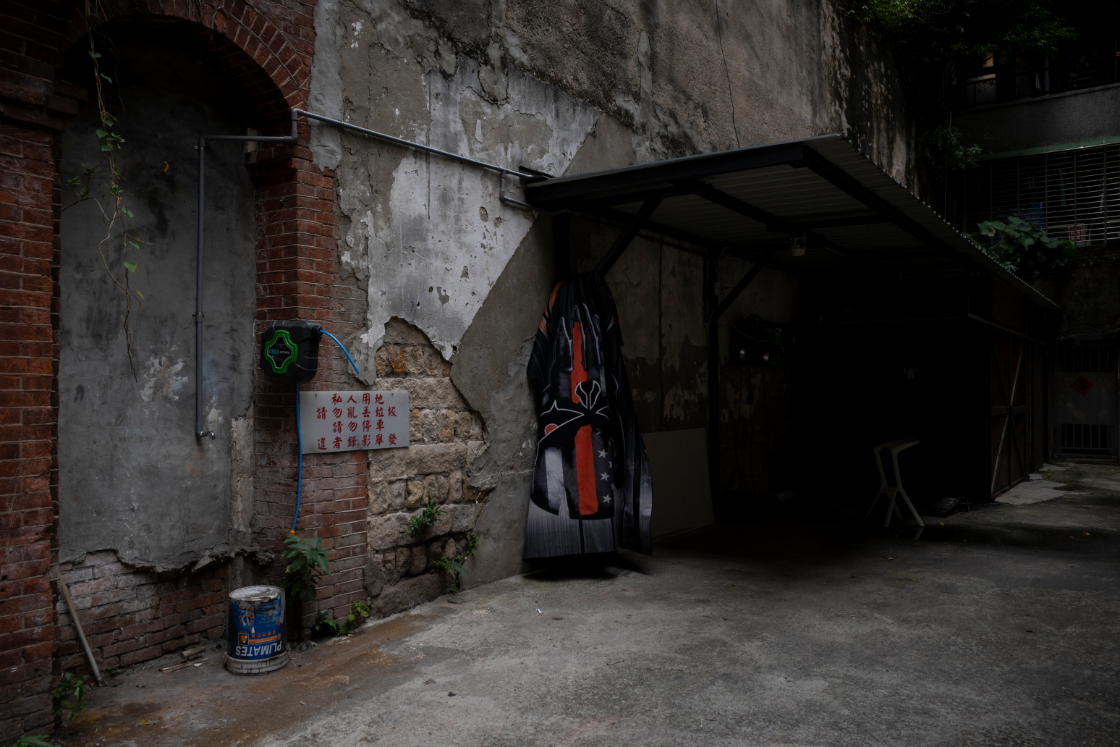
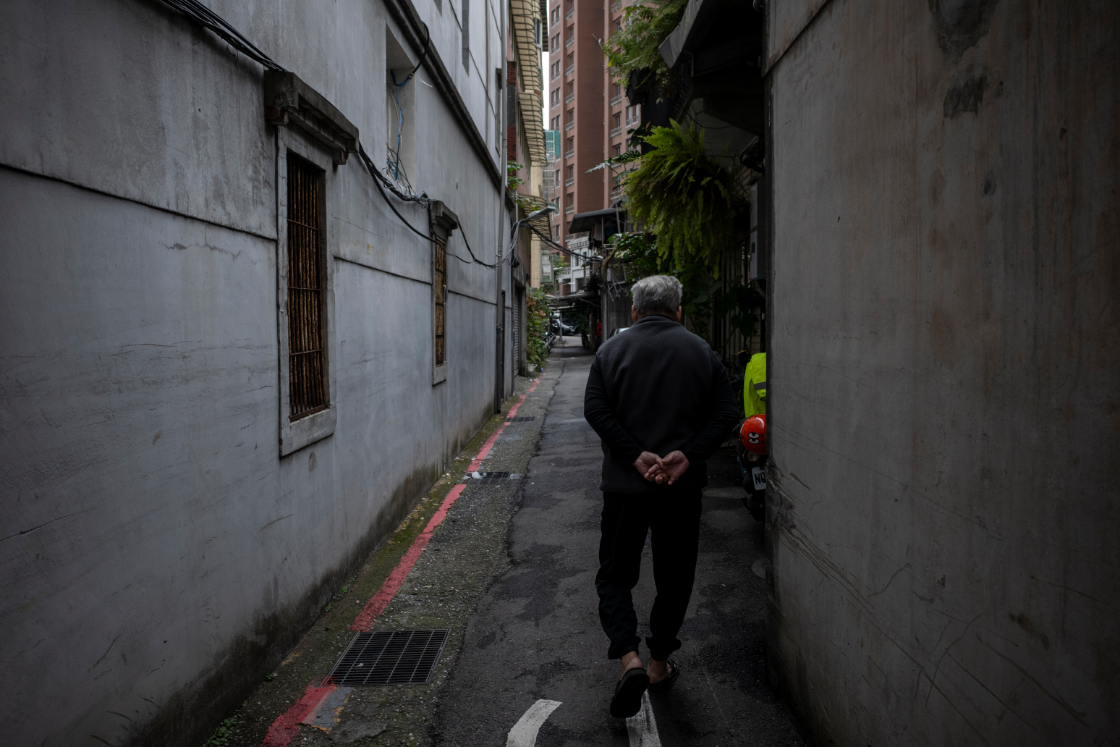
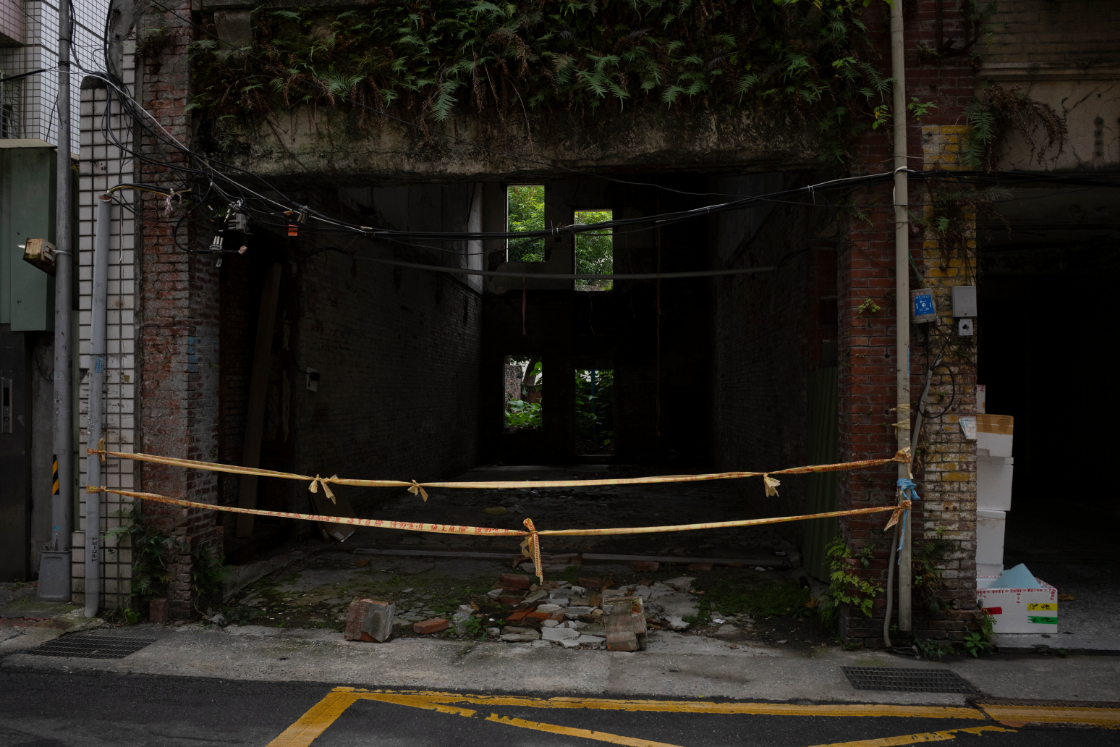
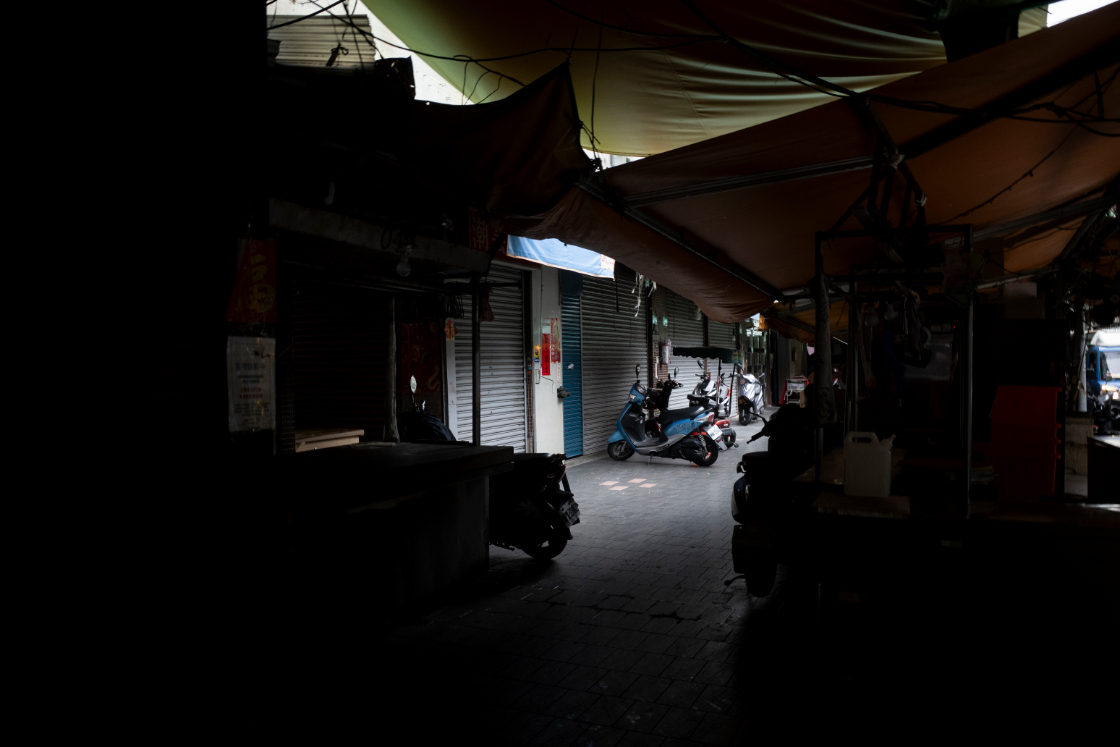
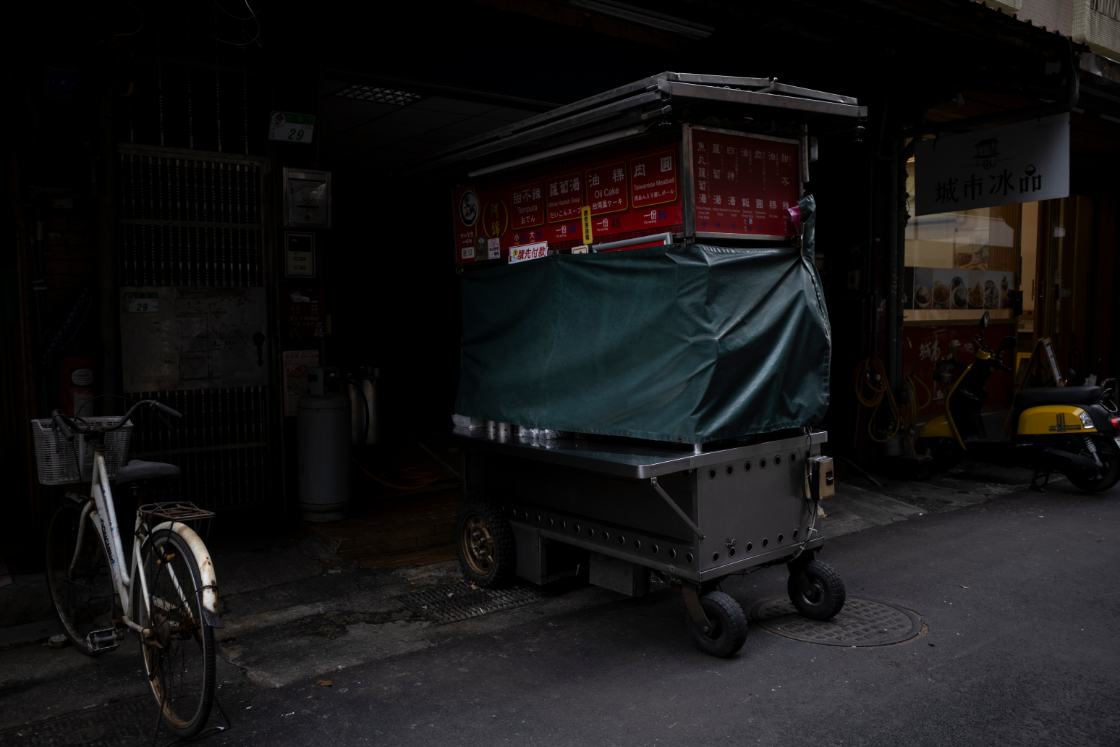
As expected, Taipei was quite chilly. Steam rose from the food stalls. There was a buzz in the air, a kind of excitement typical of the days leading up to the Lunar New Year. In Dadaocheng, a historic commercial district, lanterns were hung and temporary stall preparations were underway in front of stores.
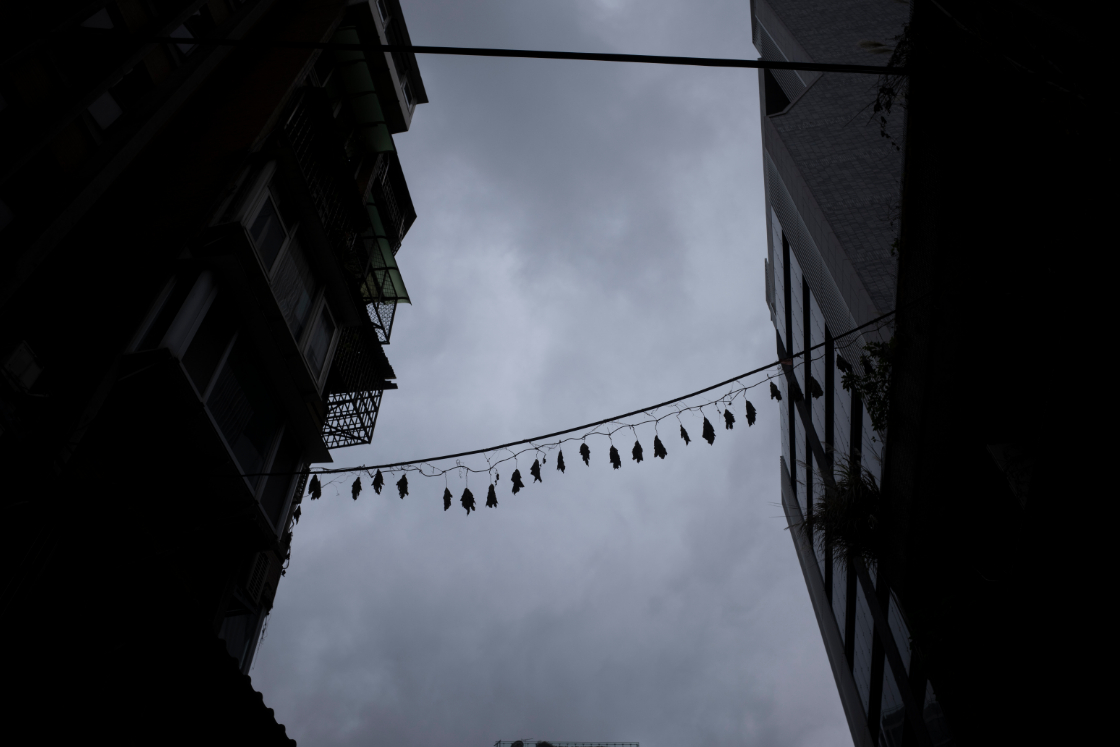
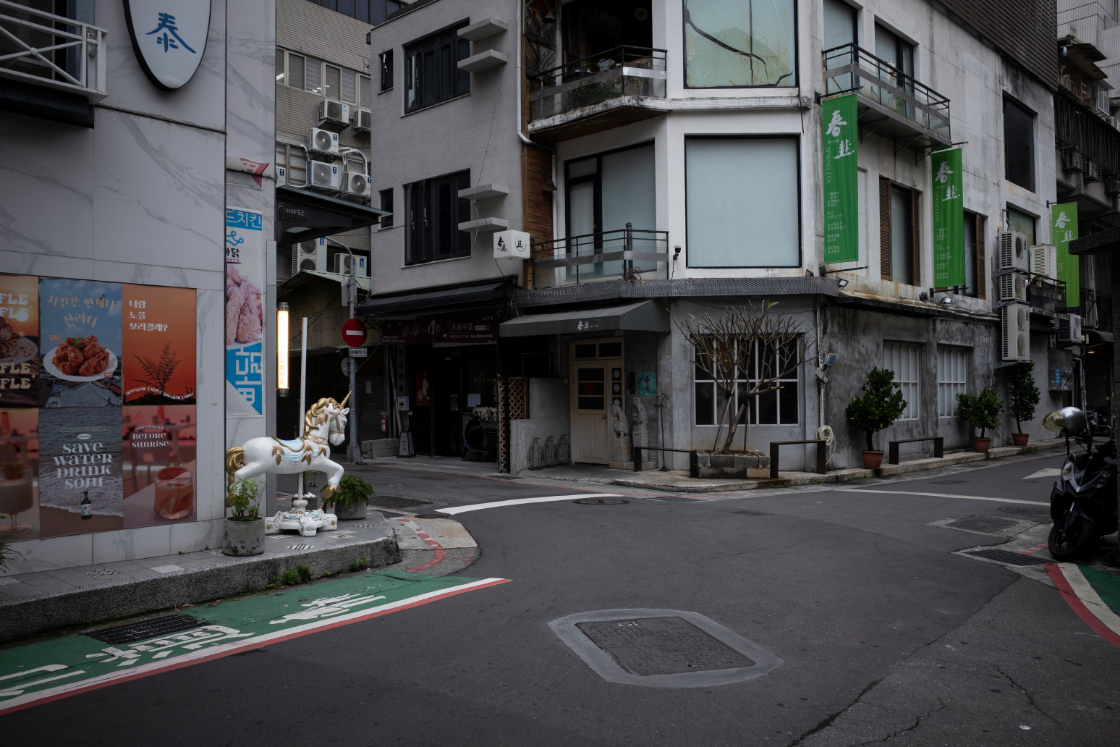
Yet, the moment you stepped into a back alley, you saw a bleak landscape. The weather isn’t great at this time of year, either. As soon as the sun comes out, gloomy clouds roll in. It’s strange how the red and yellow signs look so vivid when the sun shines, yet as soon as it hides, the colors seem to vanish. Still, I don’t hate it this way. In fact, I like it. I walk aimlessly. I don’t have to sweat.
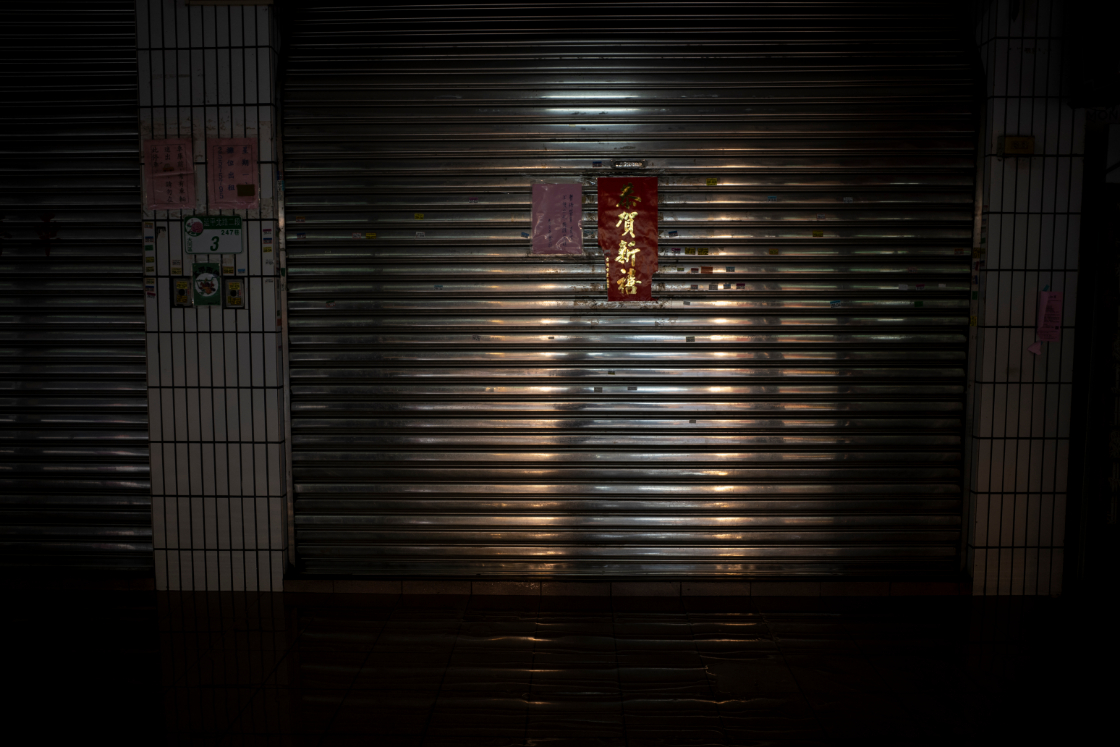
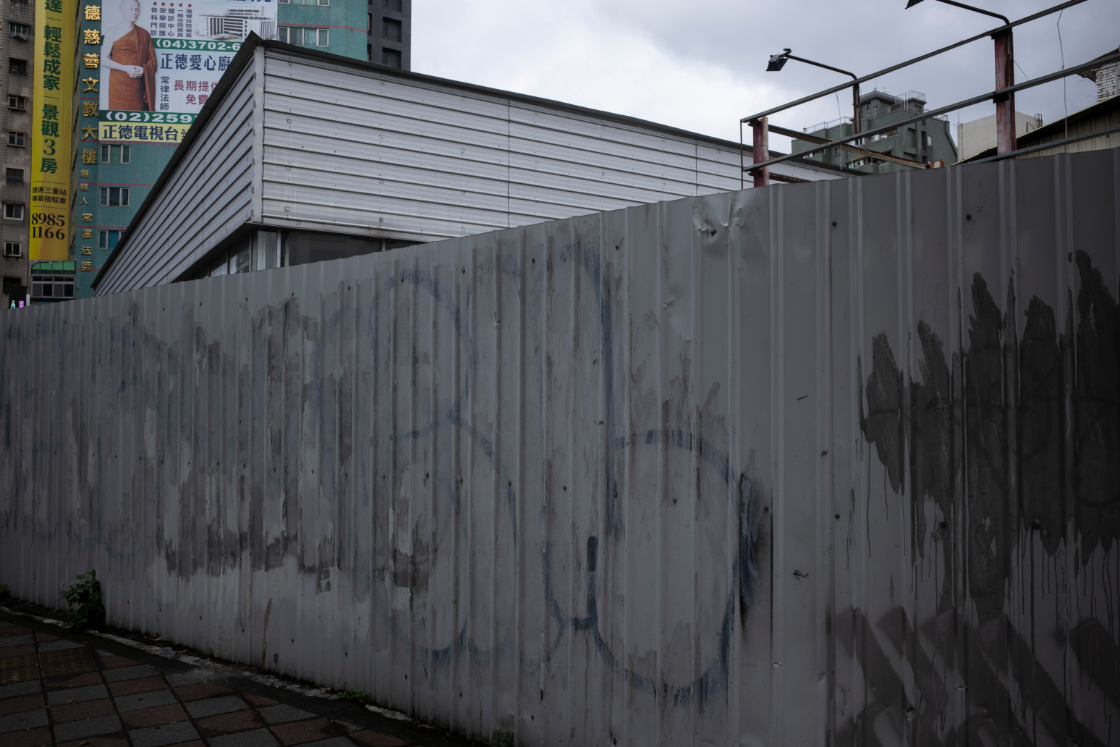
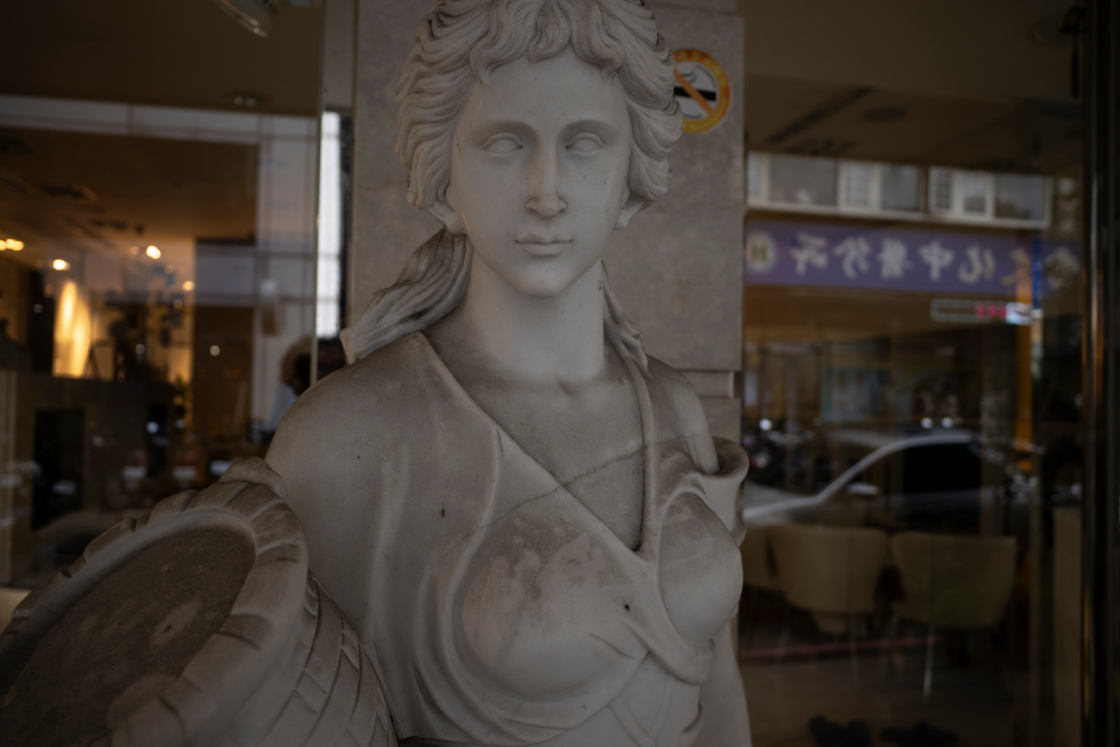
It reminds me of the Taiwanese films I watched in my twenties. In the 1990s, Taiwanese cinema experienced a boom known as “Taiwan New Cinema,” and while I was in Tokyo, I watched as many of those films as I could (along with just as many Hong Kong films). Many were set in Taipei, which was undergoing rapid urbanization.
Walking down these back streets, I recalled scenes from several films. But whose work was it? My memory was vague. The screen displayed urban landscapes that were surprisingly devoid of color.
Was it Edward Yang’s “Taipei Story”? Or perhaps Tsai Ming-liang’s "Vive l’amour”? Both films depict the loneliness of young people living in the city.
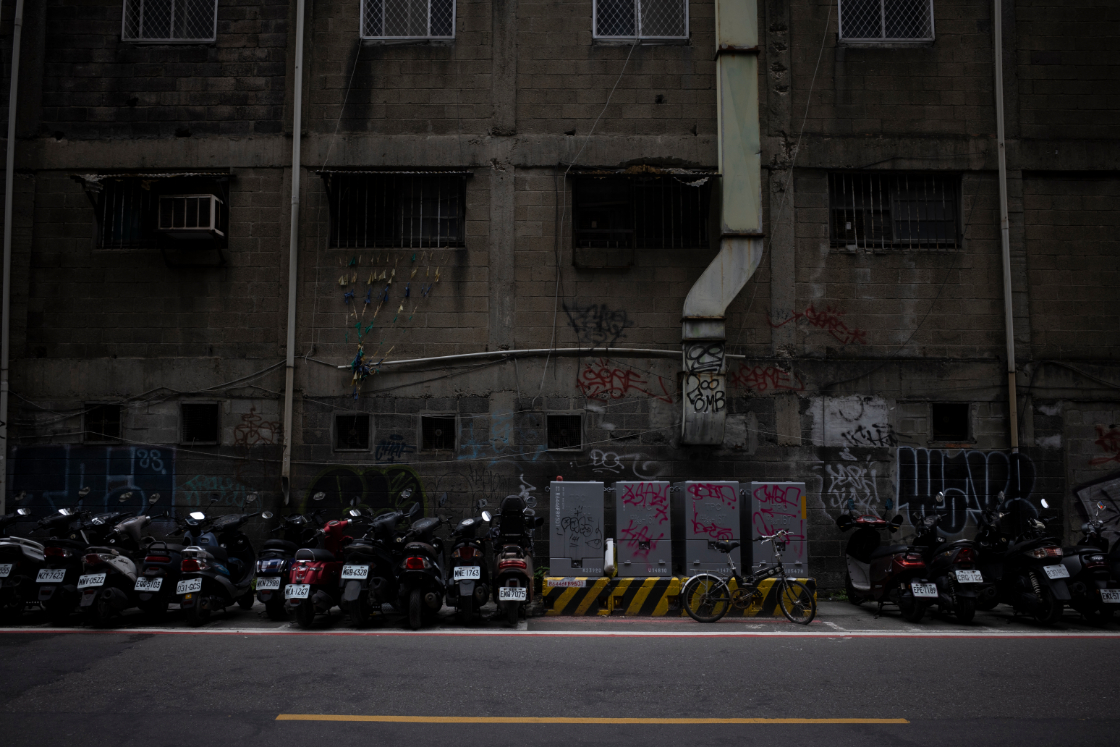
It was through these films that I first learned that there were young people in Asian cities other than Tokyo who were also carrying loneliness within them. In some ways, they overlapped with Tokyo just after the burst of the bubble economy. That's probably why I was so strongly drawn to them back then. In “Vive l’amour", a young man who works at a real estate agency races through the night on his motorcycle. I could understand his state of mind and those sensations very well. Good old memories.
I walk on, picturing Taipei as it was back then.
Kisei Kobayashi
Born in Nagano Prefecture in 1968. Graduated from the Photography Technology Department of Tokyo Polytechnic University Junior College. Worked as a newspaper photographer before becoming freelance. Travels extensively throughout Asia to create his work. In recent years, he has been photographing festivals within Japan and his hometown Suwa. He is the author of numerous books, including “Primitive Cries in the Night”, “Deep Silence” and “shasin wa wakaranai (Photography Is Incomprehensible)”. His latest book is “shashin no kotae (The Answer in Photography)” (December 2025). He received the Japan Photographic Society Newcomer Award for the photobook “DAYS ASIA”, the Tadahiko Hayashi Award for the exhibition “The Boats from Far Away” and the Ina Nobuo Award for the exhibition “Cyber Modernity”. His debut film as director was “Toi and Masato”.